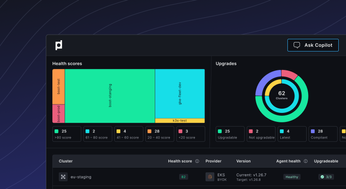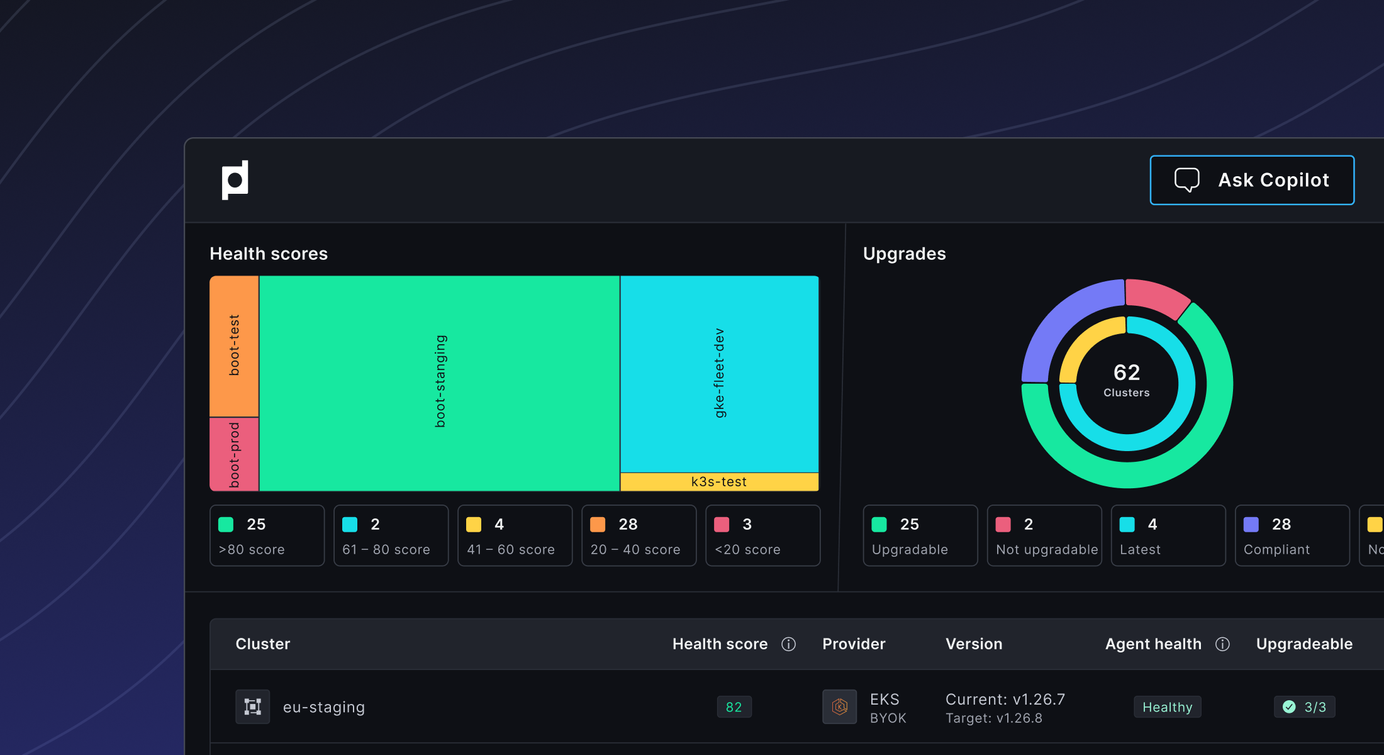
Plural Cloud: Enterprise Observability without the Enterprise Complexity Paid Members Public
Kubernetes infrastructure monitoring forces teams into an expensive false choice. The DIY approach requires weeks of configuring complex systems—Prometheus for metrics collection, Elasticsearch or Loki for log aggregation, and various agents to connect everything together. The result is configuration work that few organizations ever complete successfully. The alternative? Pay

June Product Update Paid Members Public
🚀 What's New in Plural 🤖 MCP—AI-Powered Operations in Your Flow Chat Model Context Protocol (MCP) brings intelligent operational capabilities directly into your Plural Flows. Instead of switching between multiple tools and interfaces, you can now handle infrastructure tasks, query logs, and manage operations through natural conversation in Flow
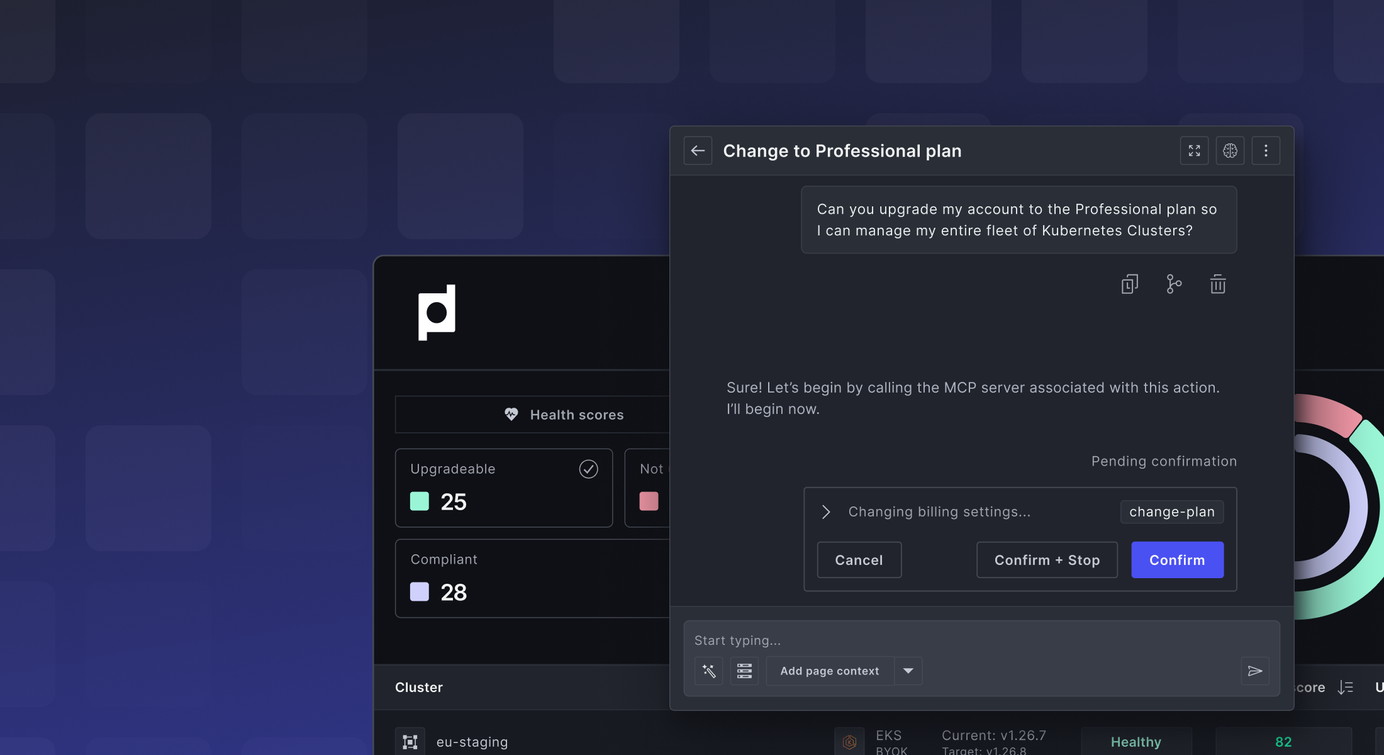
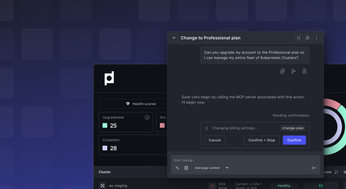
How Plural Uses MCP: Replacing Admin Tools with AI Chat Interfaces Paid Members Public
When you're building a startup, every engineering decision carries weight. Do you assign a frontend engineer to build that Stripe subscription management interface? Do you create a custom admin panel for user permissions? The traditional approach is both time-consuming and resource-intensive, creating technical debt that can slow momentum
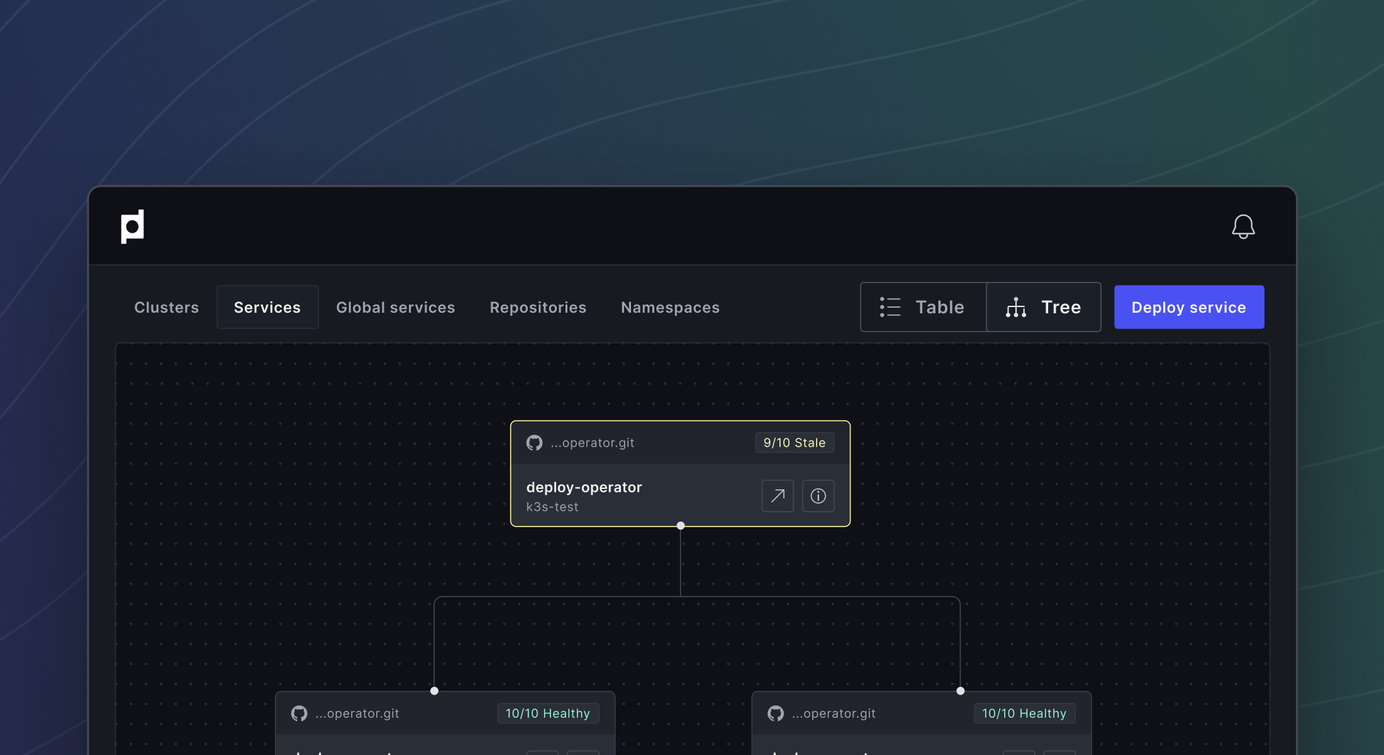
Introducing Plural's Tree View: A Technical Deep Dive Paid Members Public
Your monitoring dashboard shows 66 out of 67 services as healthy. But your application is down, users are complaining, and alerts are firing across multiple channels. This is THE question that keeps platform engineers awake at night: which specific component in your sprawling Kubernetes infrastructure is actually broken? While Kubernetes
Product Updates: Flows, Compliance Reporting, and Enhanced Network Observability Paid Members Public
🚀 What’s New in Plural 🔄 Flows—Your Microservice Command Center A Flow is a logical container that groups related microservices and their entire development pipeline. Think of it as mission control for a service—or a collection of services—running on Kubernetes. With Flows, you can: * Monitor connected services in
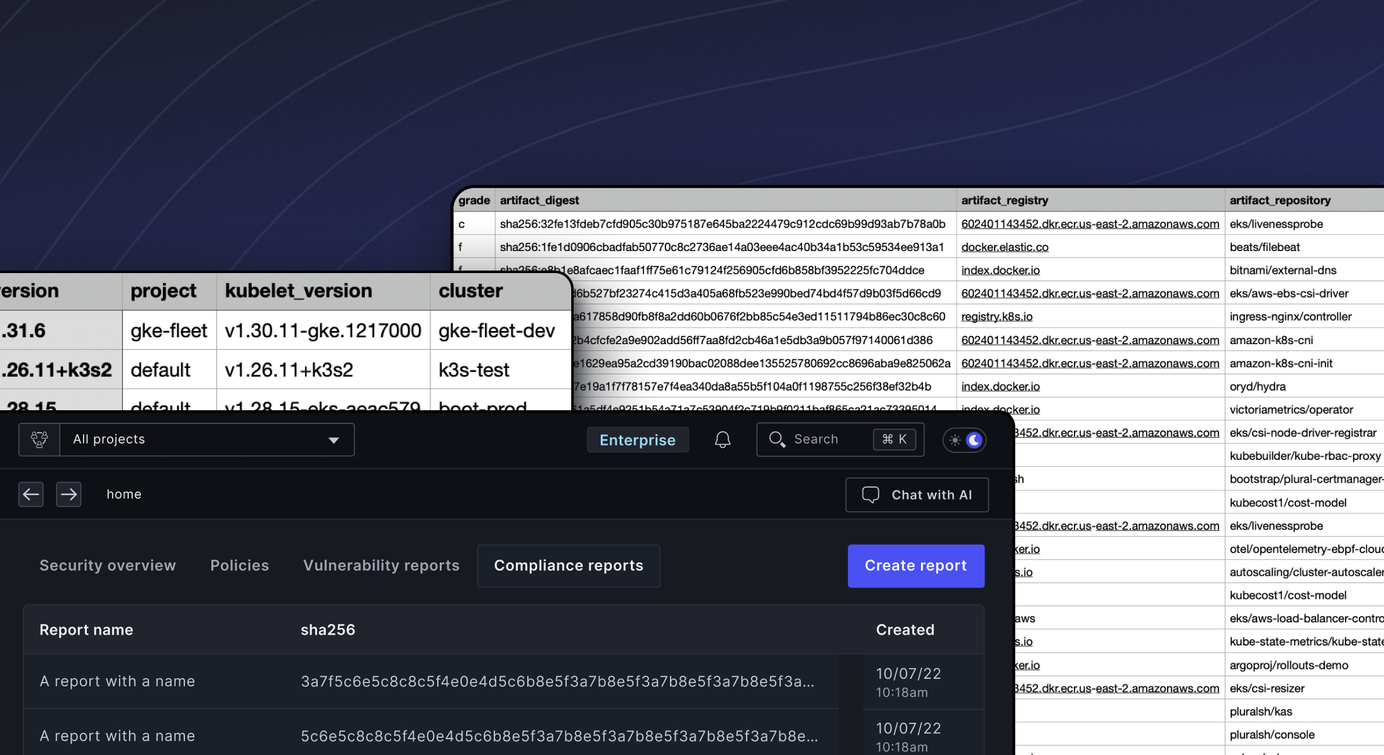
Introducing Plural Compliance Reports: Kubernetes Security Made Simple Paid Members Public
Plural now offers built-in compliance reporting that gives you a complete view of your Kubernetes security posture across your entire fleet.
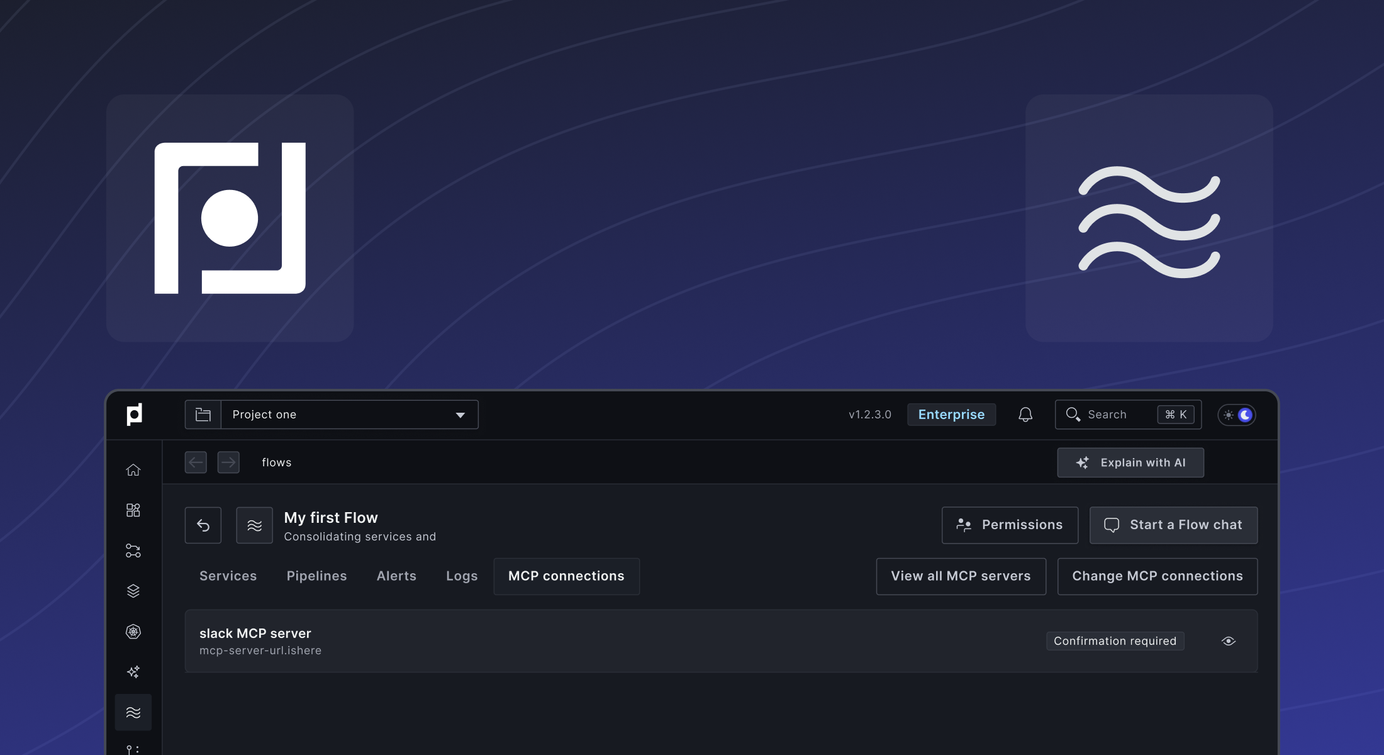
Introducing Flows: Your Team's Microservice Command Center Paid Members Public
A Flow is a logical container that groups related microservices and their development pipeline.
Product updates: Log Aggregation Support, Kubecost Integration, and Our New Fundraising Round Paid Members Public
We're excited to announce our new log aggregation capabilities! Plural now supports an interchangeable log driver interface with initial support for Elasticsearch.

Kubernetes Env Vars: The Complete Guide Paid Members Public
Master Kubernetes env variables with this complete guide. Learn how to define, manage, and secure environment variables for scalable and secure deployments.

Kubernetes Firewalls: A Practical Guide to Cluster Security Paid Members Public
Learn how a Kubernetes firewall enhances cluster security by controlling network traffic, enforcing policies, and protecting against external threats.
Plural Cloud: Enterprise Observability without the Enterprise Complexity Paid Members Public
Kubernetes infrastructure monitoring forces teams into an expensive false choice. The DIY approach requires weeks of configuring complex systems—Prometheus for metrics collection, Elasticsearch or Loki for log aggregation, and various agents to connect everything together. The result is configuration work that few organizations ever complete successfully. The alternative? Pay

Kubernetes Training: Your Certification Guide Paid Members Public
Master Kubernetes with our comprehensive training guide. Explore certification paths, top providers, and strategies to enhance your skills in Kubernetes training.

Practical Guide to Kubernetes with Python Paid Members Public
Master Python Kubernetes integration with this practical guide. Learn to automate deployments, manage clusters, and enhance your applications efficiently.

Kubernetes for Windows: A Complete Setup Guide Paid Members Public
Learn how to set up Kubernetes for Windows, manage hybrid clusters, and optimize performance with this comprehensive guide. Perfect for modernizing legacy apps.


Helm Charts: Simplify Kubernetes App Management Paid Members Public
Learn how Helm charts simplify Kubernetes app management by packaging resources into cohesive units, ensuring consistent and efficient deployments.

Install a Kubernetes Cluster: A Step-by-Step Guide Paid Members Public
Learn how to install a Kubernetes cluster with this step-by-step guide, covering everything from setup to deployment for a seamless Kubernetes experience.