Introducing Plural Workbenches: Build-Your-Own Agents for DevOps Paid Members Public
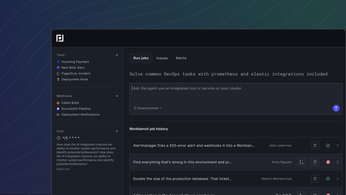
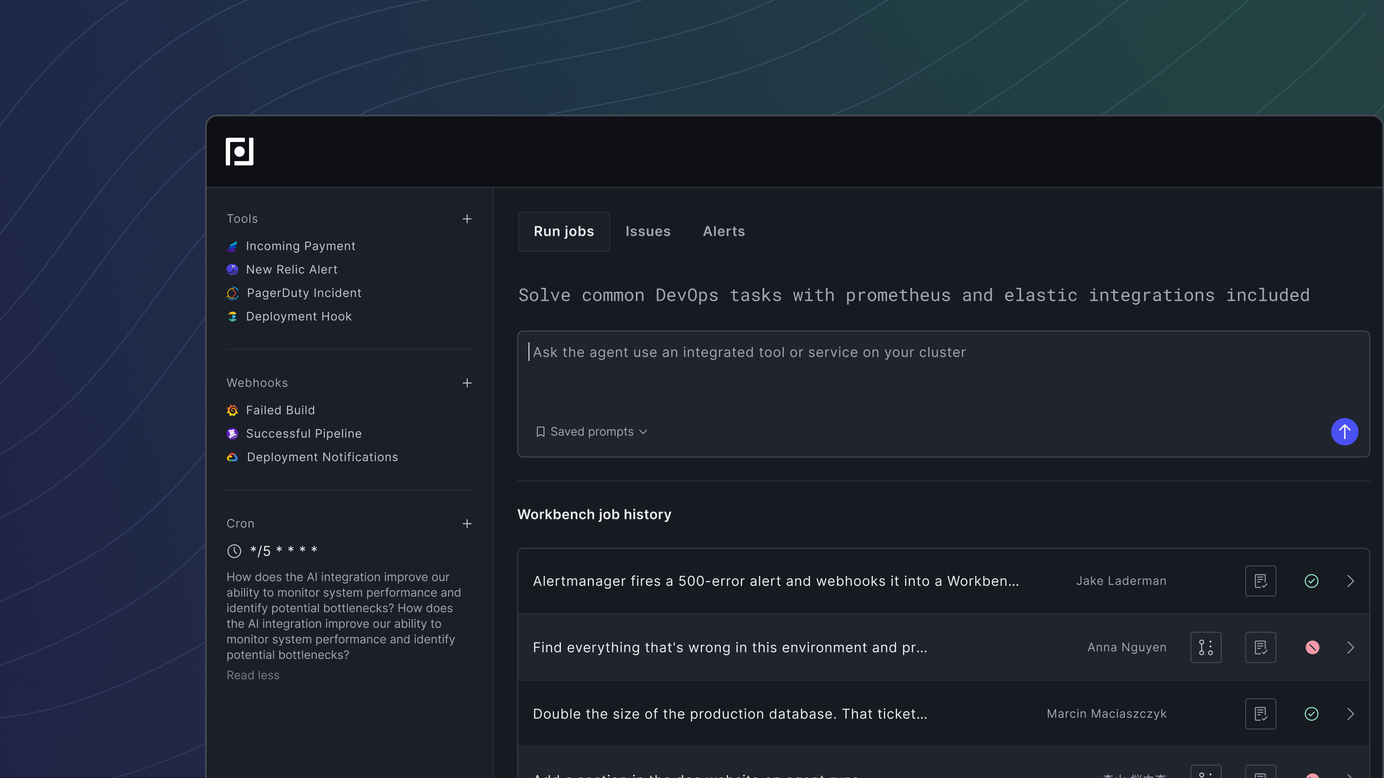
Workbenches are always-on, configurable DevOps agents that investigate alerts, fix environment issues, and close tickets, so lean platform teams can focus on the roadmap.

Introducing the Plural Agent Runtime: Your Kubernetes Cluster as a Coding Agent Paid Members Public
The medium-difficulty tasks clogging your engineering backlog don't need to be there. The Plural Agent Runtime turns your existing Kubernetes infrastructure into an autonomous, secure compute layer for running coding agents, so the work gets done while your team focuses on what matters.
2025 Year-End Product Update: The Year AI Came to DevOps Paid Members Public
This year's biggest bet paid off. We didn't just add AI features. We made Plural AI-native. Every capability in this article shares the same foundation: semantic understanding of your entire infrastructure, strict permission boundaries, and GitOps-based review loops that keep humans in control.


Introducing Plural Infra Research: From GitOps to Diagrams with AI Paid Members Public
The architecture of a complex system shouldn't exist only in the minds of a few senior engineers. Plural Infra Research is an AI-powered agent that automatically diagrams and analyzes your infrastructure.
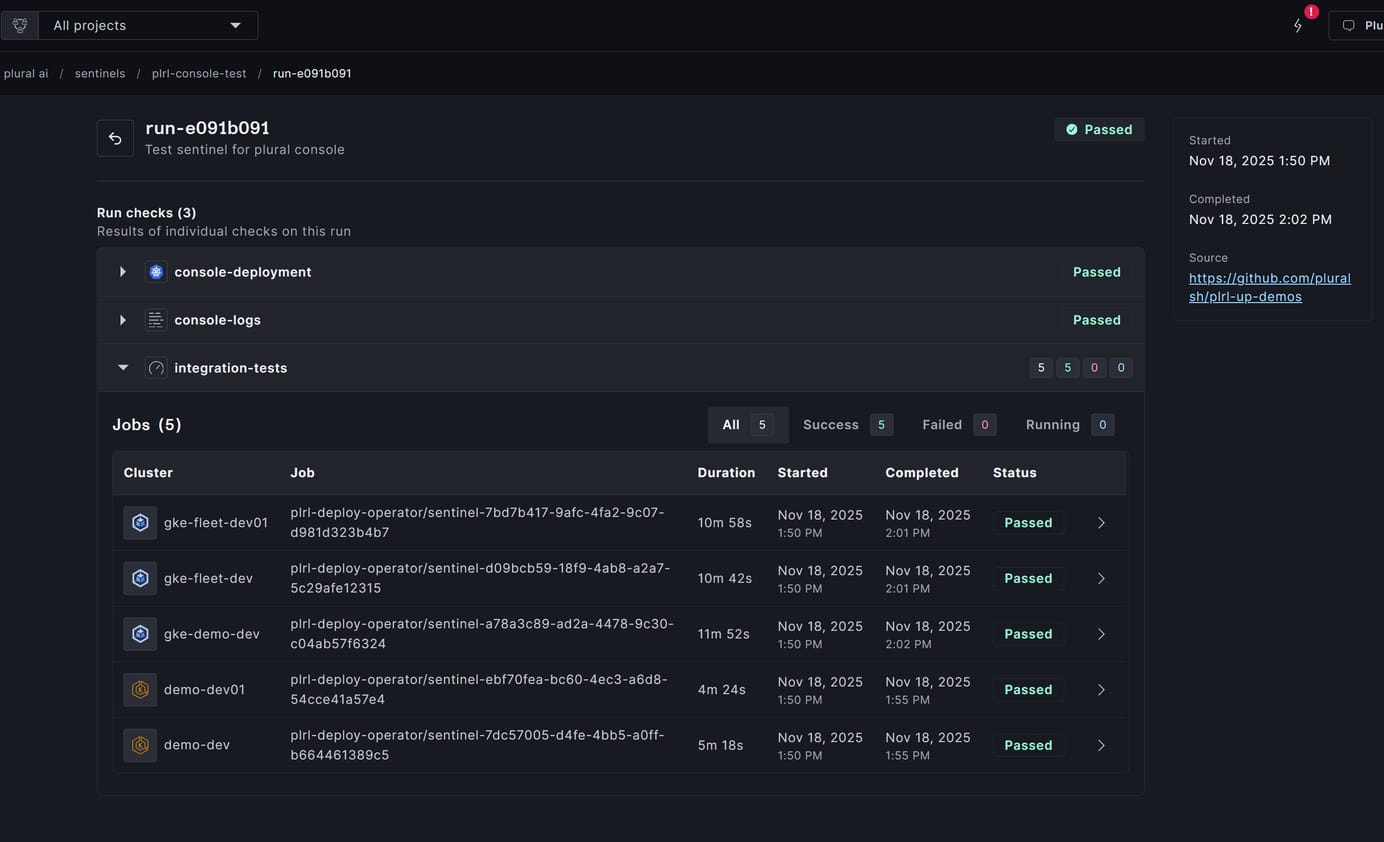
Introducing Plural Sentinels: Automated Infrastructure Validation for Kubernetes Paid Members Public
To truly scale operations, teams need to move beyond the checklist and adopt a system that provides packaged, automated, and auditable infrastructure integration testing. That's why we created Plural Sentinels.
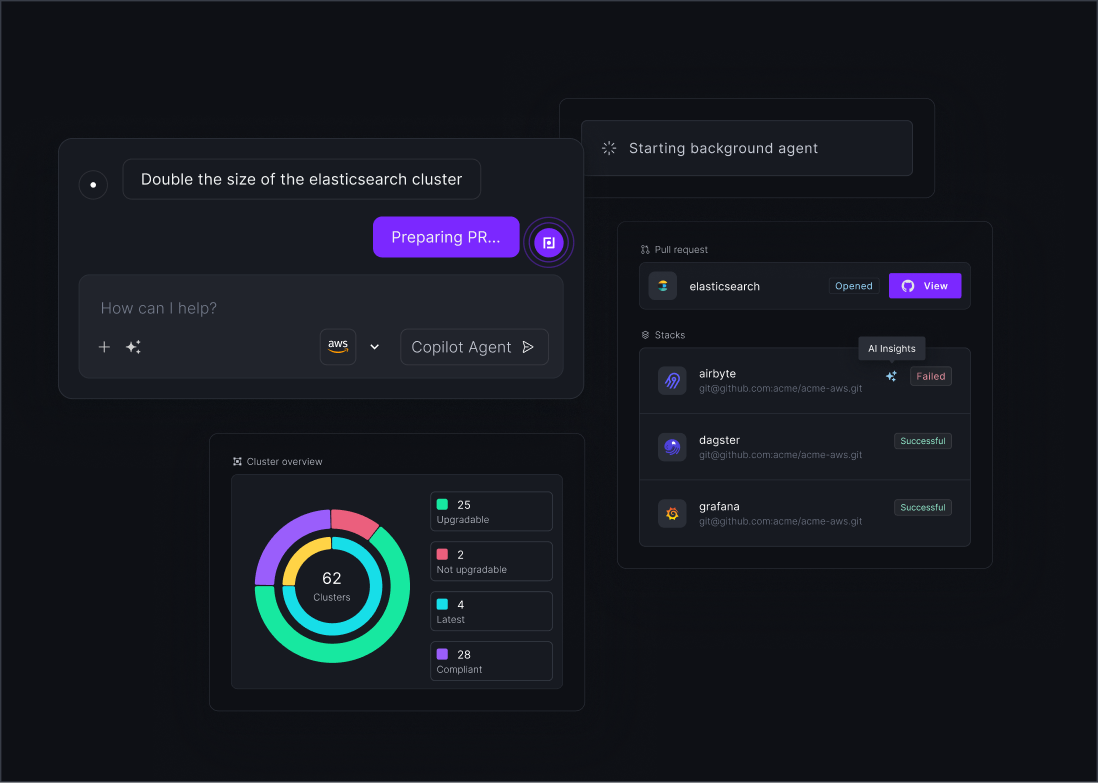
The Cursor Moment for DevOps Paid Members Public
The Cursor Moment for DevOps: Discover how AI is transforming DevOps workflows, explore Plural's latest innovations, and why it matters.


Self-Hosting LLMs on Kubernetes: NVIDIA Jetson + K3s Paid Members Public
LLMs are ubiquitous, and there's a vibrant open source ecosystem with tons of implementations to choose from. But here's the thing: actually running them yourself is surprisingly difficult. Learn how to operate your own in this article.

GitOps Setup of Cilium Multi-Cluster with Plural Paid Members Public
When you're running multiple Kubernetes clusters, finding the right network topology is difficult. If you're considering the multi-cluster network route, this guide will help you get started quickly.

Kubernetes Probes Types: Liveness, Readiness, Startup Paid Members Public
Learn Kubernetes probes types, timing, YAML patterns, rollout guidance, and troubleshooting for reliable liveness, readiness, and startup checks.


Kubernetes Pod Pending: a command-driven scheduling debug path Paid Members Public
Get the definitive guide to the kubernetes pod pending status, its most common scheduling causes, and how to fix them in production.

Cloud-Native Security Practices for Enterprise Kubernetes Paid Members Public
Enterprise Kubernetes security rarely fails because a team lacks another scanner or policy. It fails when controls are disconnected across source code, delivery pipelines, cluster admission, and day-2 operations. A workload can pass an image check yet run with excessive permissions, or meet a deployment policy while its dependencies remain
September Product Update Paid Members Public
Here's everything Plural shipped in September. 📊Workbench Observability: Dashboards, monitors, and job tracing * Workbench dashboards. Agents can now build and maintain dashboards directly inside a workbench, with timeseries, stat, table, bar, pie, heatmap, log, and trace panels. * Monitoring tab. A new Monitoring tab puts a workbench’s dashboards

Infrastructure as Code with Terraform: How to Run It Safely at Enterprise Scale Paid Members Public
Getting started with infrastructure as code in Terraform is easy. You write some HCL, run terraform apply, and a VPC shows up. The hard part comes later, once dozens of engineers, several cloud accounts, and a fleet of Kubernetes clusters all depend on the same state. Then you're
Kubernetes Security Tools: How I'd Build the Stack Layer by Layer Paid Members Public
Kubernetes security programs rarely fail because someone picked the wrong scanner. In my experience running platform teams across a lot of clusters, they fail because the controls are scattered. One team runs a scanner in CI, another has half a Gatekeeper install, and nobody can say which layer would have

Kubernetes Security News: Fleet Triage and Defense Guide Paid Members Public
Use Kubernetes security news to verify affected versions, exposure, patch status, and ownership, then coordinate reviewable remediation across your fleet.

CVE-2026-31431: Copy Fail Kubernetes Response Guide Paid Members Public
Learn how CVE-2026-31431 affects Kubernetes nodes, prioritize exposed workloads, patch safely, apply interim controls, and verify fleet remediation.