May Product Update Paid Members Public
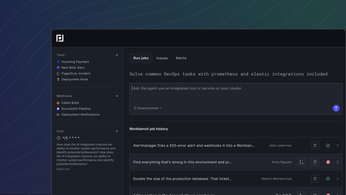
Here's everything Plural shipped in May. 🔧 Workbench Agent Improvements We released Workbenches last month, for Plural's Build-Your-Own Agents for DevOps. In May, we added a ton of new features and improvements to Workbenches: * Workbench Evals. Every Workbench run can now be graded end-to-end. The eval panel


April Product Update: Introducing Plural's Build-Your-Own Agents for DevOps Paid Members Public
🔍 What's New in Plural This month we’re announcing Plural Workbenches: the layer we’ve been building toward since the Agent Runtime landed in February. A Workbench is an always-on, configurable DevOps agent that investigates alerts, walks your infra, and opens reviewable PRs, grounded in your GitOps state
kubectl get events: A Guide to K8s Troubleshooting Paid Members Public
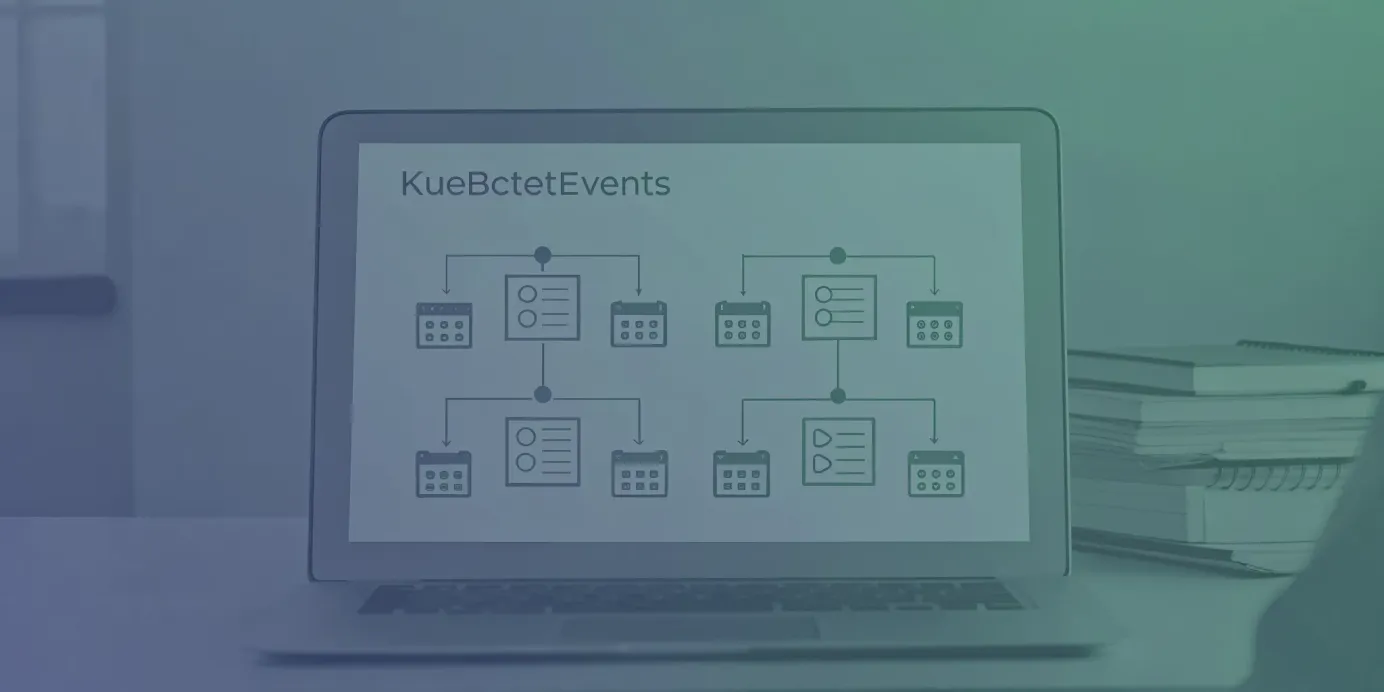
Learn how to use `kubectl get events` for Kubernetes troubleshooting. Get practical tips on filtering, analysis, and managing events across clusters.


Kubernetes Disaster Recovery: A Step-by-Step Guide Paid Members Public
Get a practical Kubernetes disaster recovery guide with strategies, tools, and best practices to protect your clusters and minimize downtime.
GKE Kubernetes Tutorial: From Single Cluster to Fleet Paid Members Public
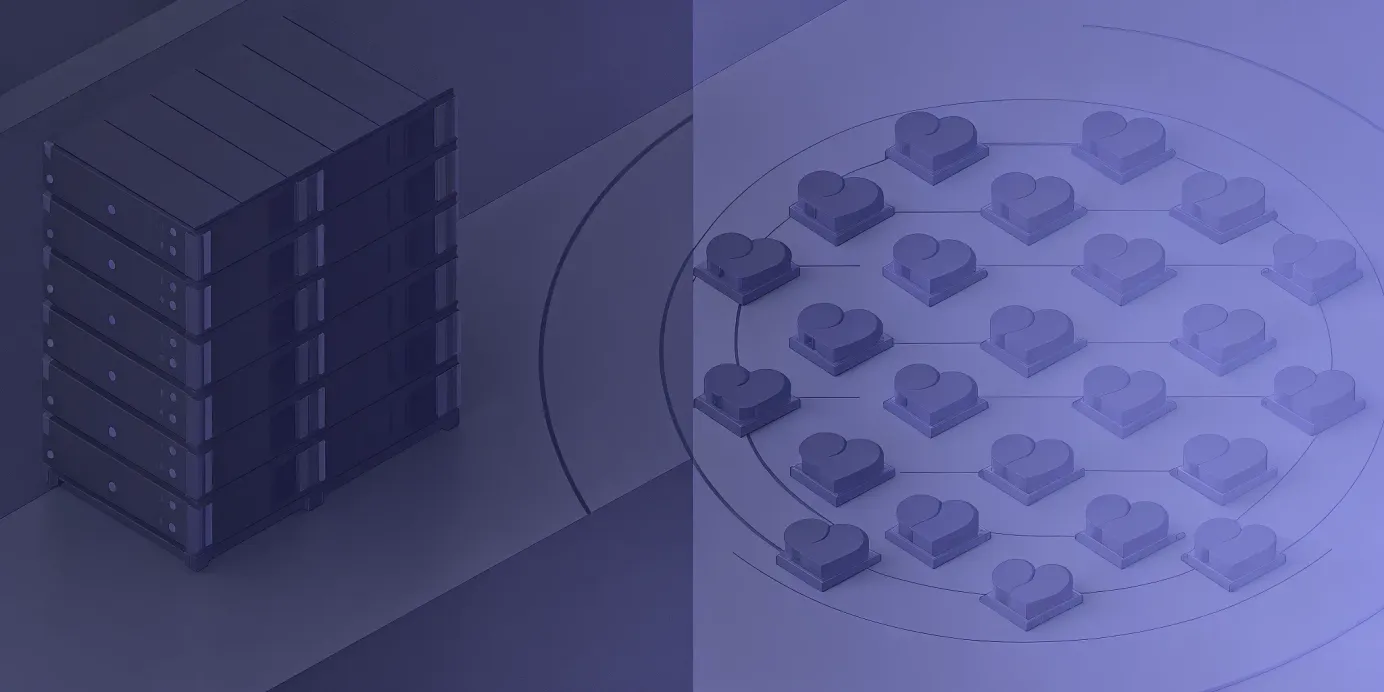
Get a practical GKE Kubernetes tutorial covering setup, deployment, scaling, and fleet management for platform teams and DevOps engineers.

A Practical Guide to Zero Trust Kubernetes Paid Members Public
Get actionable steps for implementing zero trust Kubernetes. Learn best practices, essential tools, and how to secure clusters with identity-based controls.

`kubectl describe ingress`: A Troubleshooting Guide Paid Members Public
Get practical troubleshooting tips for `kubectl describe ingress`. Learn how to inspect Ingress resources, diagnose issues, and improve Kubernetes reliability.

OpenShift Kubernetes Tutorial: A Step-by-Step Guide Paid Members Public
Get a practical OpenShift Kubernetes tutorial with step-by-step setup, deployment, and management tips for building reliable containerized applications.