FailedScheduling: Why Kubernetes Pods Aren't Scheduled Paid Members Public
Learn what a FailedScheduling event means, the CPU, memory, taint, affinity, and node reasons behind it, and how to fix pod scheduling in Kubernetes.


Kubernetes 502 Bad Gateway: Causes and Fixes Paid Members Public
Diagnose and fix Kubernetes 502 bad gateway errors: unhealthy backend pods, bad service selectors, ingress misconfig, and readiness probe failures.

Helm upgrade failed: reading the error before youHelm Upgrade Failed: Causes, Fixes, and Recovery touch anything Paid Members Public
Diagnose a helm upgrade failed error in Kubernetes, from CRD mismatches and immutable fields to release locks, then recover with rollback and a safer workflow.
GitOps for Infrastructure as Code: Unify IaC and K8s Paid Members Public
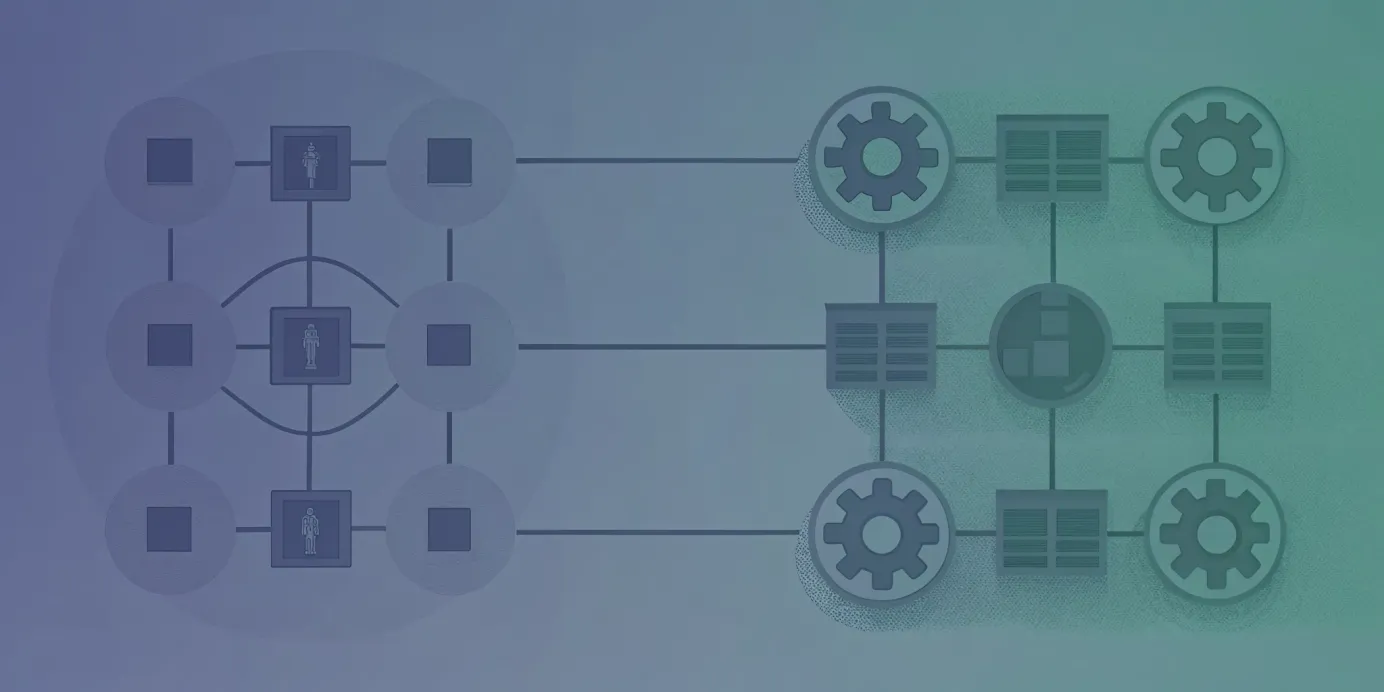
Schedule your free 14-day trial of Plural and unify Terraform, Pulumi, Ansible, and Kubernetes under one GitOps workflow. Operational fragmentation occurs when platform teams manage Terraform, Pulumi, and Ansible in separate silos. This disconnect forces engineers to toggle between different pipelines to maintain cloud environments. Since GitOps is an operational

Running Kubernetes on vSphere: An On-Prem Guide Paid Members Public
Running a Kubernetes fleet on vSphere is not simply a cloud deployment moved behind the firewall. Platform teams have to coordinate cluster lifecycle, VM templates, storage policies, networking, and the operational needs of existing virtual workloads. That complexity becomes more consequential when clusters serve regulated environments or must operate without
July Product Update Paid Members Public
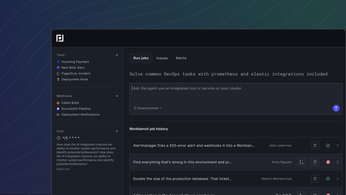
Here's everything Plural shipped in July. 🔧Workbenches Enhancements: Self-verifying agents, serverless actions, and budgets * Self-verification. A new verification mode and a dedicated VERIFY subagent re-check the affected service or stack run after the agent's PR merges, so a fix gets confirmed instead of assumed. * Serverless and


Kubernetes Pod Security Standards 2026: The Migration Guide Paid Members Public
Schedule a review of your Kubernetes pod security standards 2026 migration plan. Learn how to move from PSP to PSA and enforce policies across your fleet.

Kubernetes Cluster API Guide for Enterprise Fleets Paid Members Public
Provisioning one Kubernetes cluster is manageable. Keeping versions, infrastructure changes, node pools, and recovery procedures consistent across a fleet is where operational overhead compounds. The challenge is not creating another cluster; it is making every lifecycle change predictable and reviewable. See how Plural operationalizes Kubernetes fleet management. What Is Kubernetes